
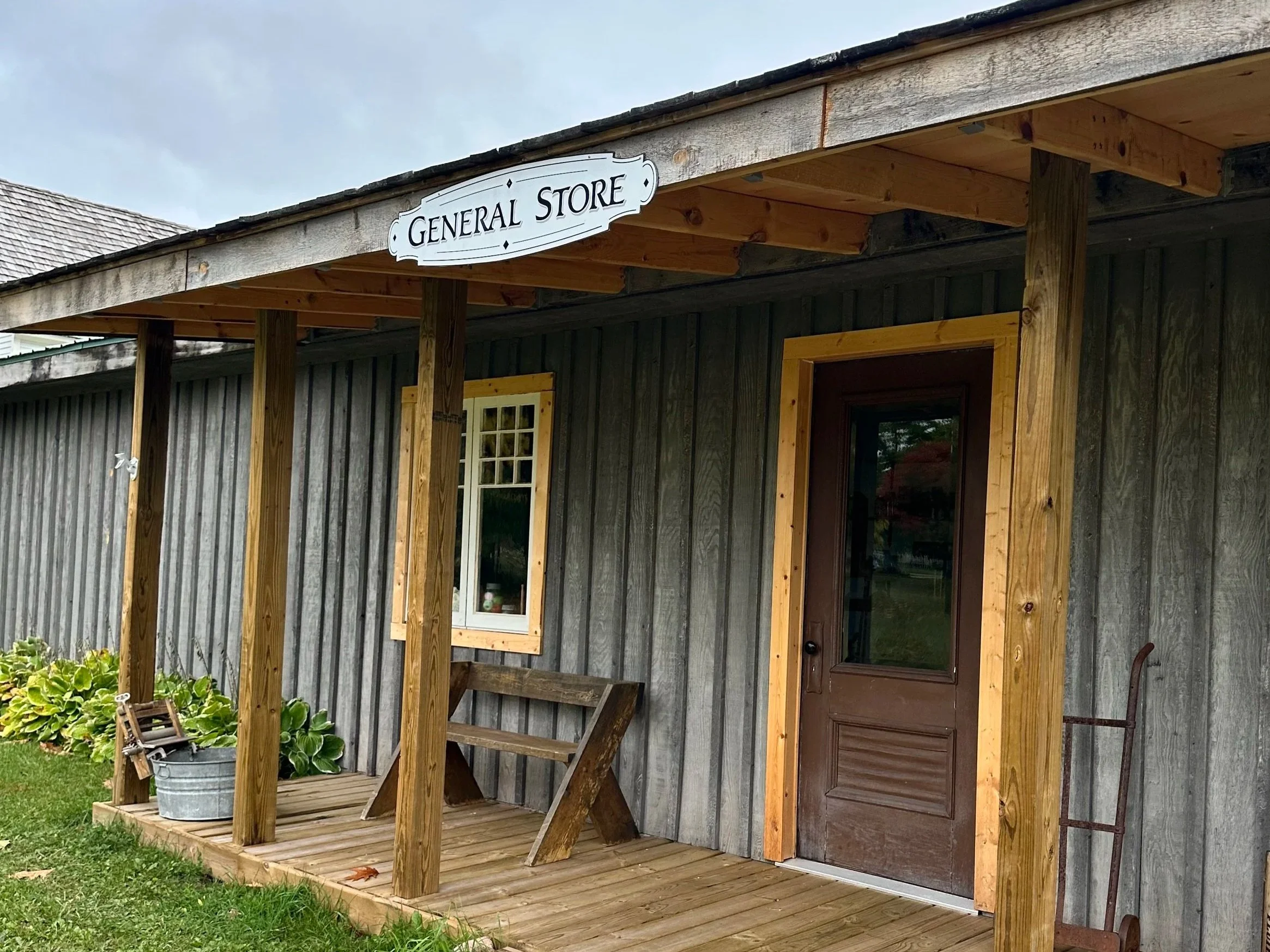
The General Store
During the late 19th and early 20th centuries, the general store was far more than a place to buy goods—it was the social, economic, and informational hub of rural towns and small communities across America.
A One-Stop Shop for Everyday Life
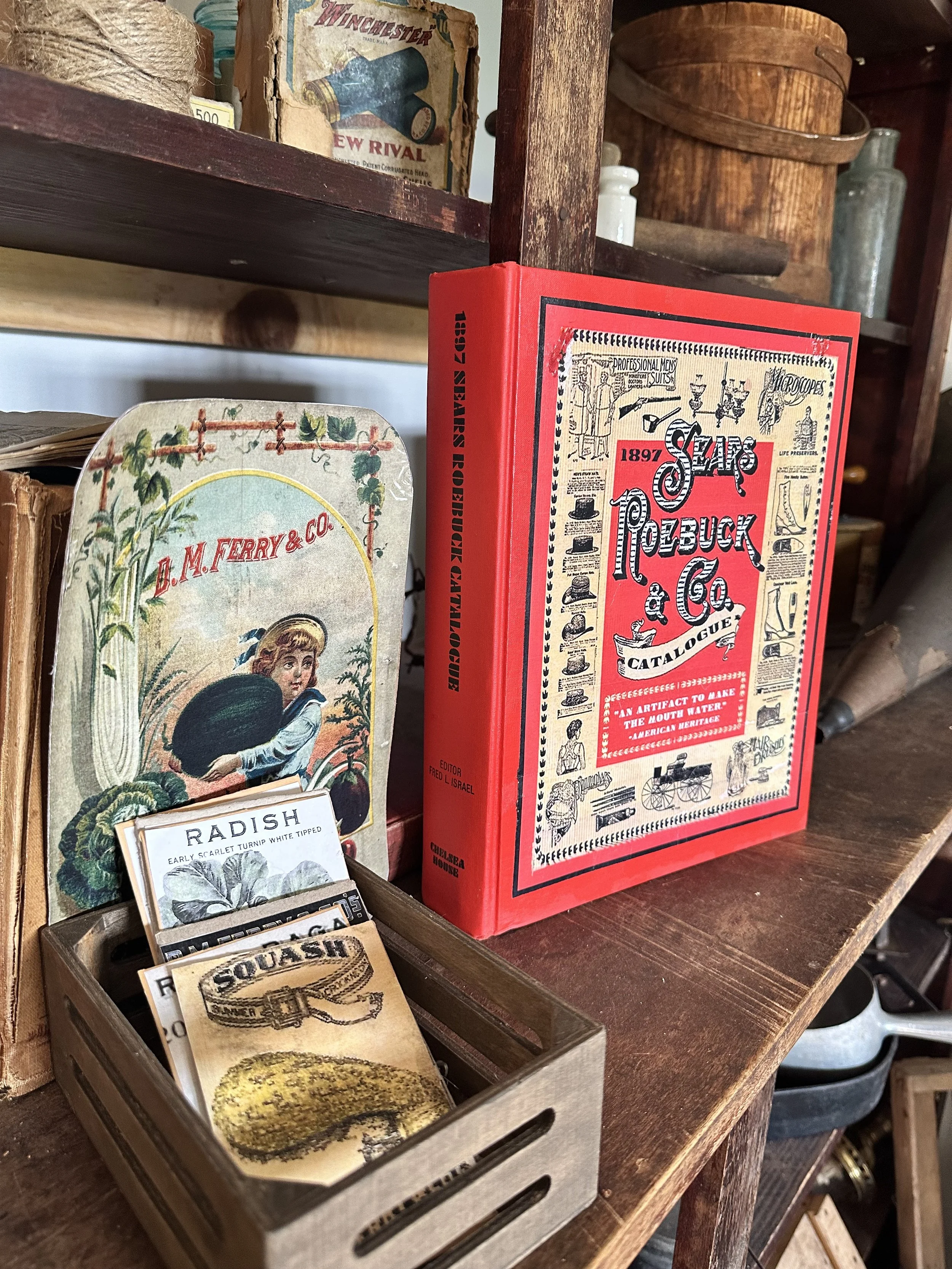
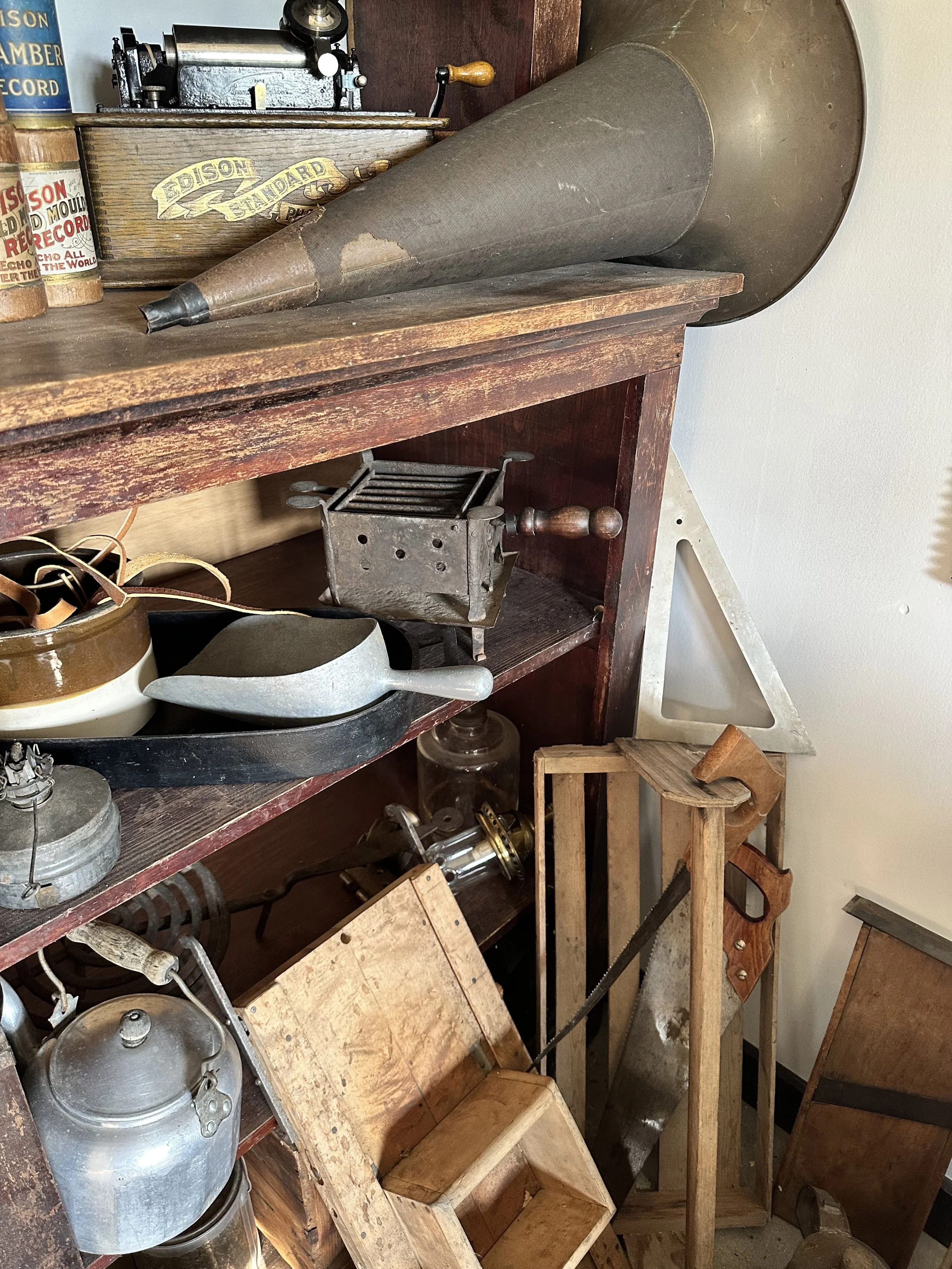
General stores carried a wide variety of necessities under one roof, often tailored to the local economy (farming, logging, shipping, mining, etc.). Typical goods included:
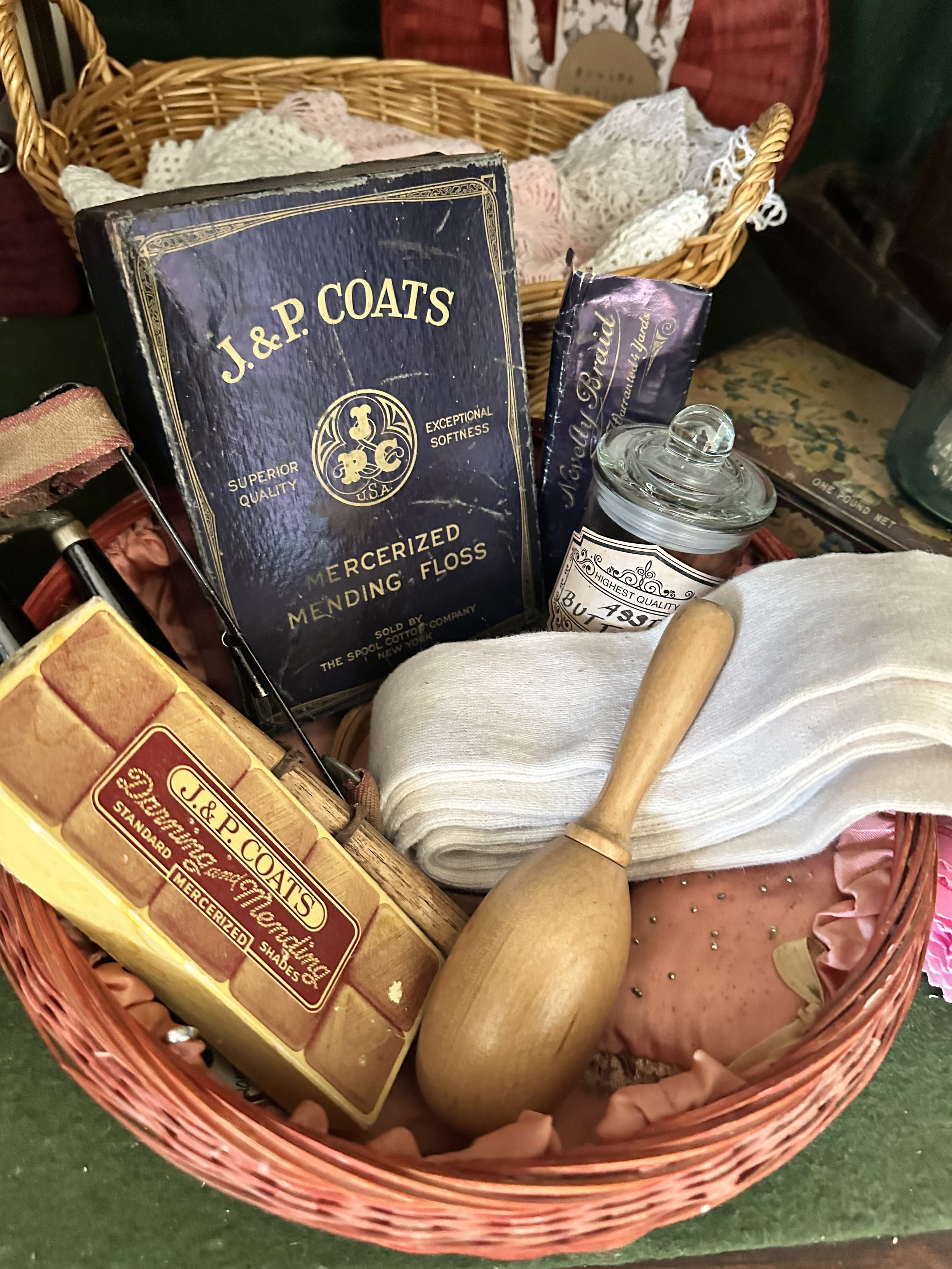
Dry goods (fabric, thread, buttons, clothing)
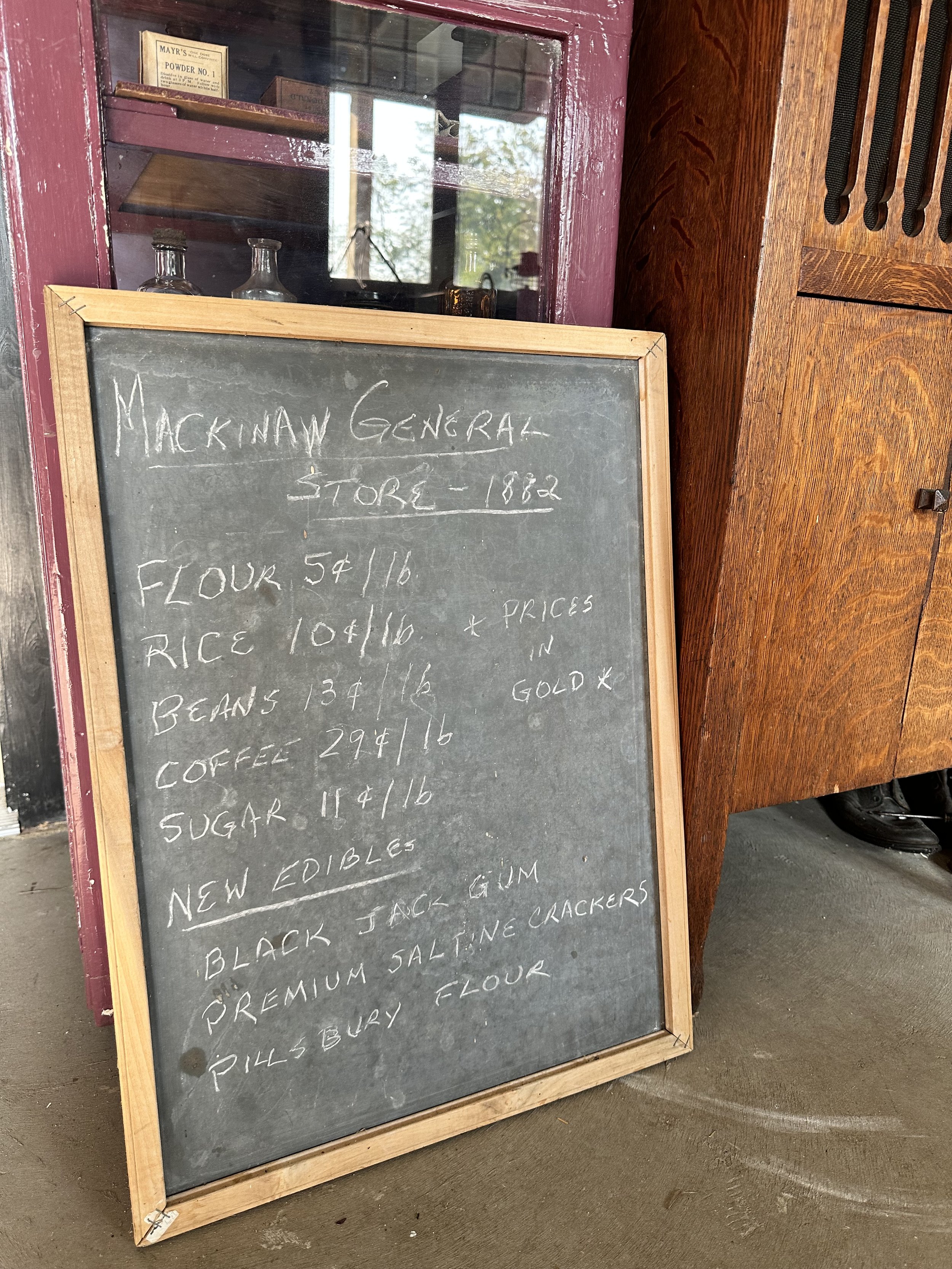
Groceries (flour, sugar, coffee, salt, spices)
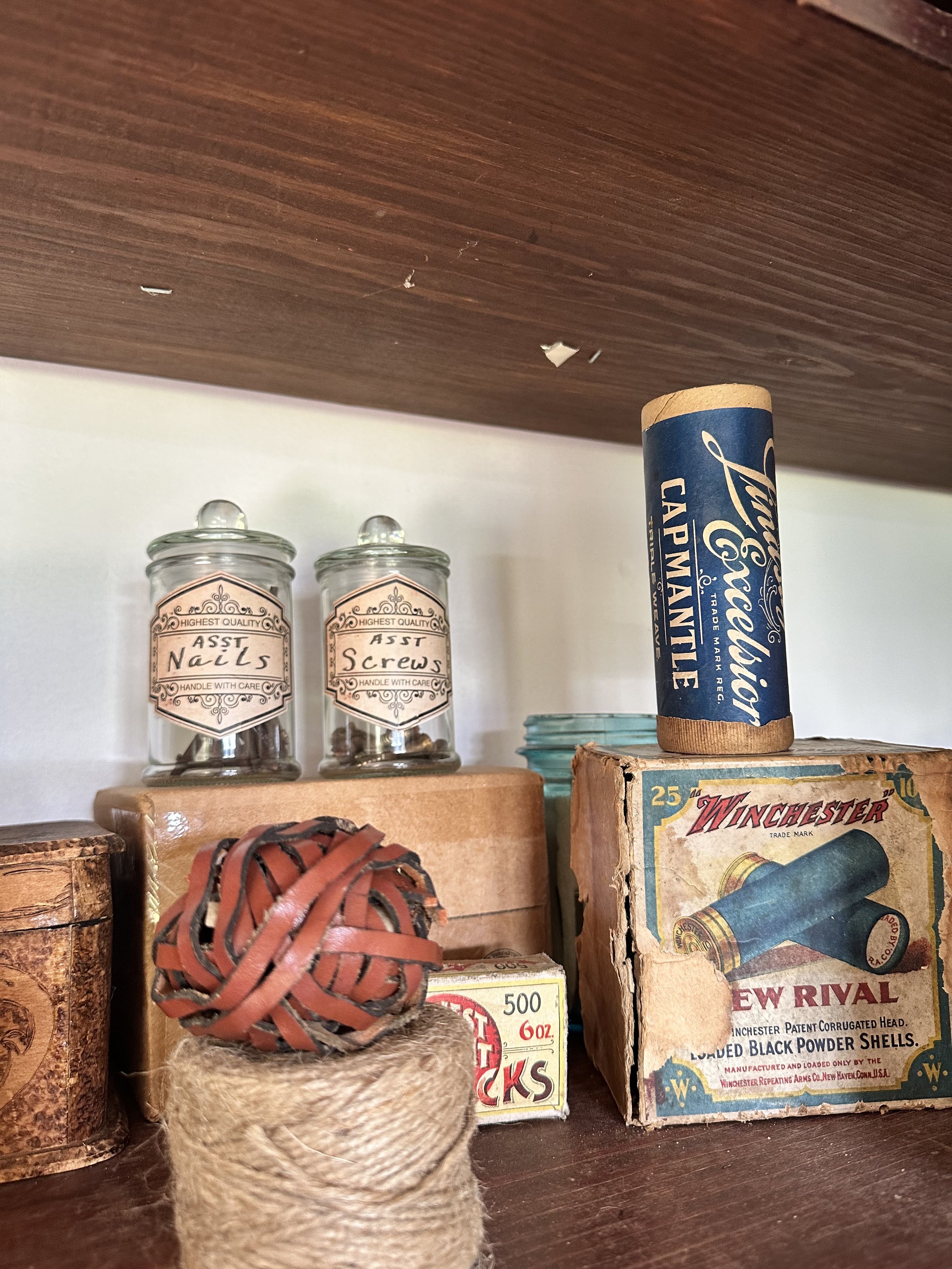
Tools and hardware
Kerosene, oil, and candles
Medicines and tonics
Tobacco and candy
Seasonal items like seeds, boots, or winter supplies
Because transportation was limited and towns were often isolated, the general store reduced the need for long travel and served as a lifeline for residents.
A Center for Social Life
General stores were gathering places, especially for men but often for entire families:
Locals exchanged news, gossip, and advice
Bulletin boards posted notices, job opportunities, and community announcements
Benches, potbelly stoves, or cracker barrels encouraged people to linger
Stories, debates, and shared experiences strengthened community bonds
In many towns, the general store functioned as an informal town square, particularly in winter months.
Commerce Based on Trust
Money was often scarce, especially in rural areas. As a result:
Purchases were frequently made on credit, recorded in handwritten ledgers
Bartering was common—farm produce, fish, timber, or labor might be exchanged for goods
Storekeepers played an important role as trusted figures who knew families personally
This trust-based system made the storekeeper one of the most influential people in town.
Gateway to the Outside World
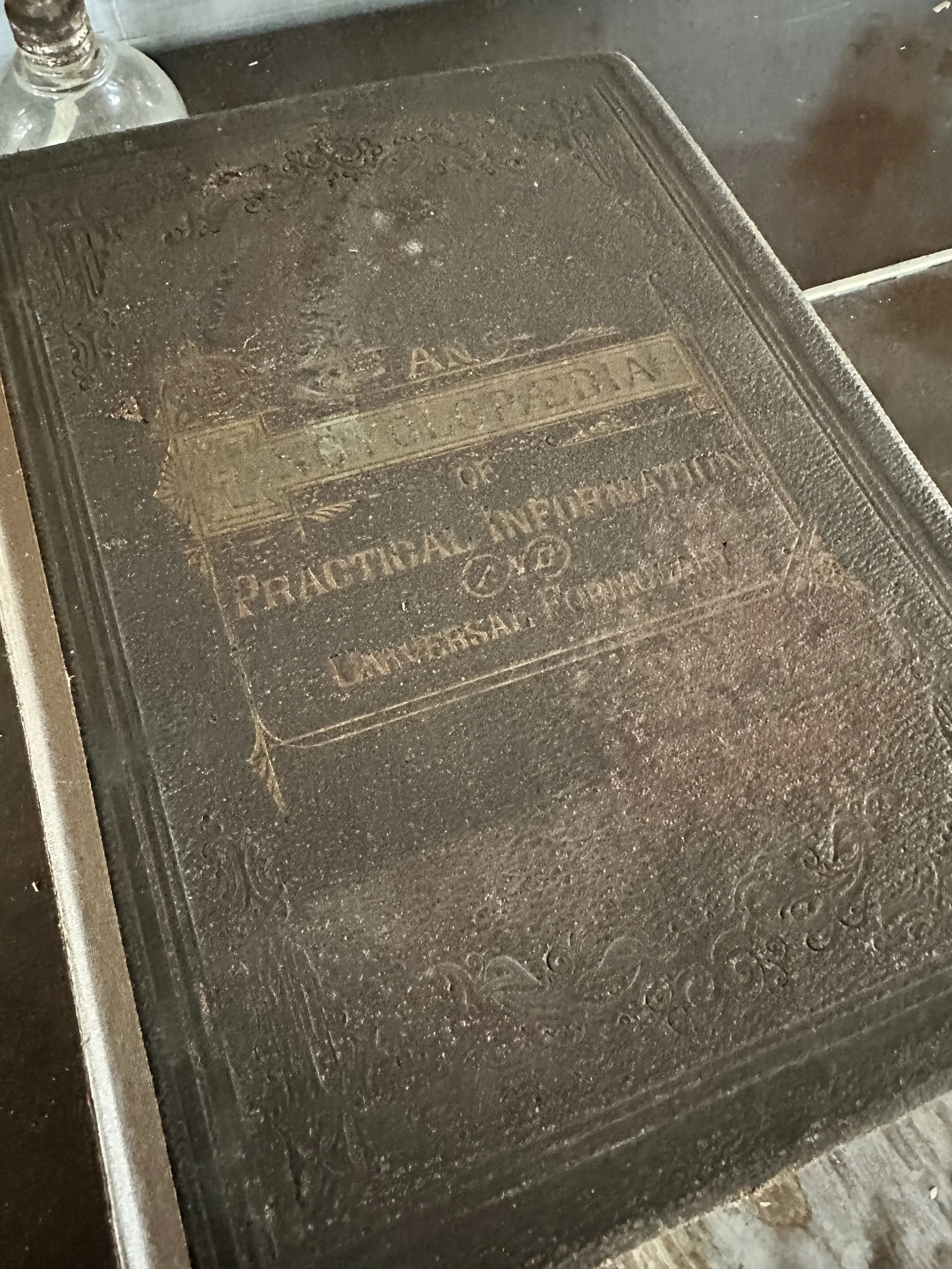
Before widespread newspapers, radios, and telephones, the general store connected communities to the broader world:
Newspapers and catalogs (like Sears, Roebuck & Co.) were read and shared
Traveling salesmen brought news, trends, and new products
The store often served as the local post office, reinforcing its role as a communications hub
For many residents, the general store was where they first learned about national events, new inventions, or changing fashions.
Why General Stores Mattered
Between the 1880s and 1910s, general stores:
Anchored small-town economies
Fostered social connection and shared identity
Supported families through hardship and seasonal change
Served as symbols of self-reliance, cooperation, and community trust