Pestilence House
Visit the only remaining Pestilence House in Michigan.
The Heritage Village Pestilence (Pest) House was built in the 1890s and was rediscovered in 2004 in the form of a long-deserted machine shop. It was moved to Heritage Village in Mackinaw City and was completely restored in 2005. It is the only one known to us that survived and has been fully restored.

What is a Pestilence House?
A Pestilence House, sometimes called a pest house, was a small, isolated building used during the late 1800s and early 1900s to quarantine and care for people suffering from contagious diseases. Common throughout the Great Lakes region and rural communities across the United States, pestilence houses helped protect the public by separating infected individuals from the general population before modern hospitals, antibiotics, and widespread vaccination programs existed.
Located on the outskirts of towns or in remote areas, these structures were often used during outbreaks of diseases such as:
Smallpox
Diphtheria
Scarlet fever
Tuberculosis
Typhoid fever
Influenza
Patients would remain in the pestilence house until they recovered, were transferred, or, in some cases, died from their illness. Medical care was typically provided by local physicians, nurses, family members, or community volunteers. In the Great Lakes region, where growing communities, seasonal travel, shipping traffic, and immigration increased the risk of disease transmission, pestilence houses became an important part of local public health efforts. Mackinaw City was a destination port city and was very vulnerable since boats from other ports might have a sick person on board who could be spreading the disease. To protect healthy citizens from the person with the disease, they were taken to the Pest House where they were cared for until they were well. While often modest in appearance, these buildings represented some of the earliest forms of organized disease control and quarantine in America.
Today, surviving pestilence houses offer valuable insight into the history of medicine, public health, and daily life in the late nineteenth and early twentieth centuries. They remind visitors of a time when communities relied on isolation, sanitation, and local caregiving to combat infectious diseases long before modern healthcare systems emerged.

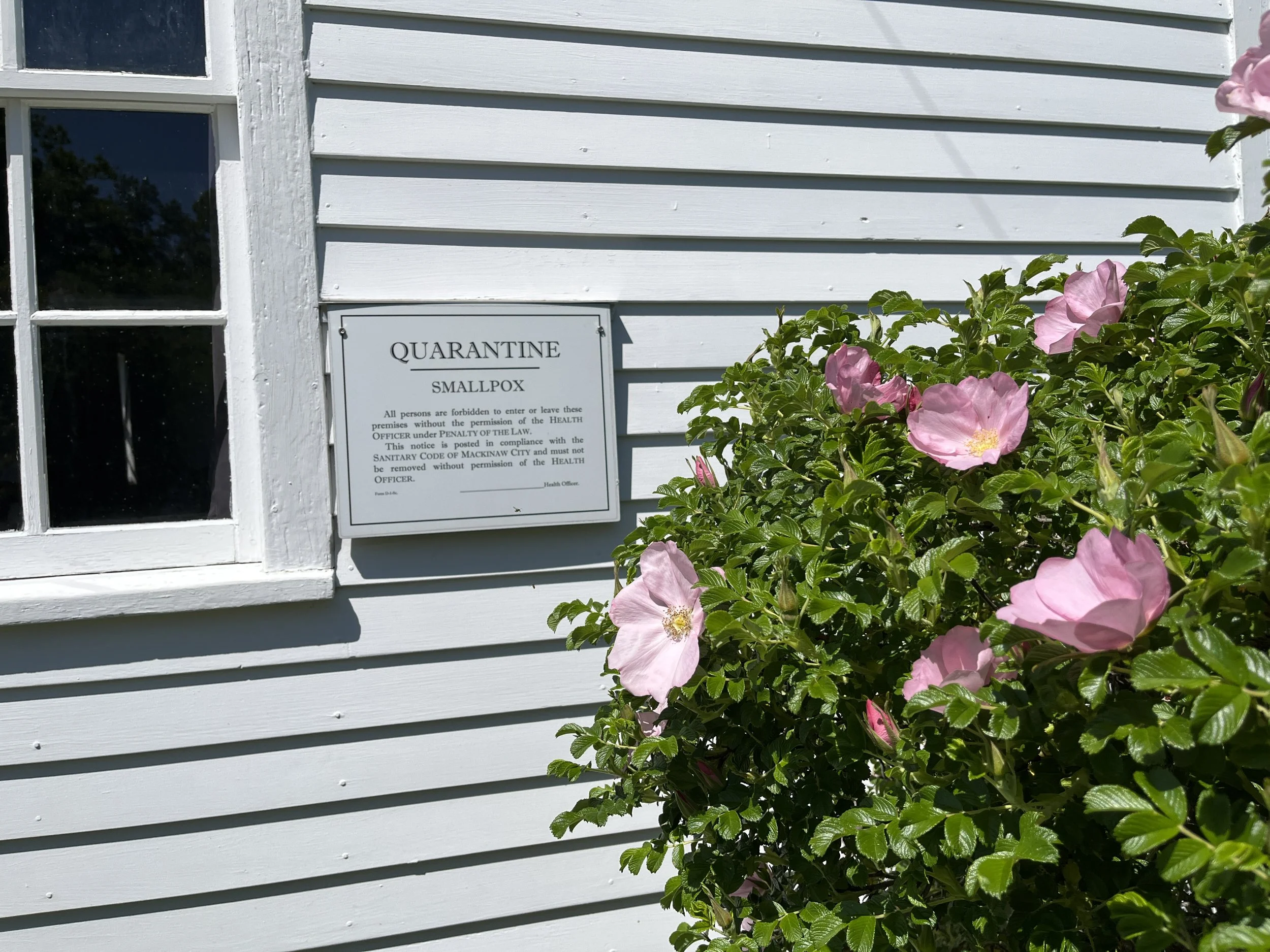


“There should be a liberal supply of fresh air for the patient without subjecting him to a draft. Sunshine directly on the patient is advisable.”
The linked in an excerpt from Cheboygan Democrat April in 1880 regarding the Care of Patients with Diphtheria. It offers an insight into the role of pest houses and the treatment of patients.
Featured in
Oddities & Rarities Michigan Back Roads
Oddities & Rarities: Michigan Back Roads invites readers on a journey to some of Michigan's most unusual and intriguing places. Author Ron Rademacher uncovers forgotten landmarks, mysterious artifacts, local legends, and hidden roadside attractions that reveal a side of Michigan most travelers never see. Blending history, folklore, and adventure, the book celebrates the people, places, and stories that make the Great Lakes State wonderfully unique.