
Bird Watching at May Woods
Discover Northern Michigan's Forest Birds Along the Straits of Mackinac
Whether you're an experienced birder checking species off your life list or simply enjoy listening to the morning chorus, May Woods offers one of Mackinaw City's most peaceful northern Michigan birding experiences. With mature hardwood forests, cedar groves, open woodland edges, and connections to one of North America's most important migration corridors, every season brings new opportunities to observe birds in their natural habitat.
100 acres of protected forest • Four-season birding • Free admission
4 Season of Birding
Why Birders Love May Woods
Bird watching at May Woods is about more than finding birds, it's about slowing down and experiencing the rhythms of a healthy Northern Michigan forest.
As you wander more than 3.5 miles of interconnected trails, you'll move through diverse habitats that attract dozens of resident and migratory bird species. Towering maple, beech, birch, cedar, pine, and spruce forests provide nesting sites, food sources, and shelter throughout the year.
Because May Woods sits just south of the Straits of Mackinac, May Woods also benefits from the incredible seasonal bird movements that make northern Michigan one of the Midwest's premier birding destinations.
Whether you're carrying binoculars, a spotting scope, or simply your curiosity, every visit offers something new to discover.
Birds You May Encounter
Year-Round Residents
These often familiar birds can often be found throughout the year.
YEAR ROUND — COMMON BIRDS
Raven
White Breasted Nuthatch
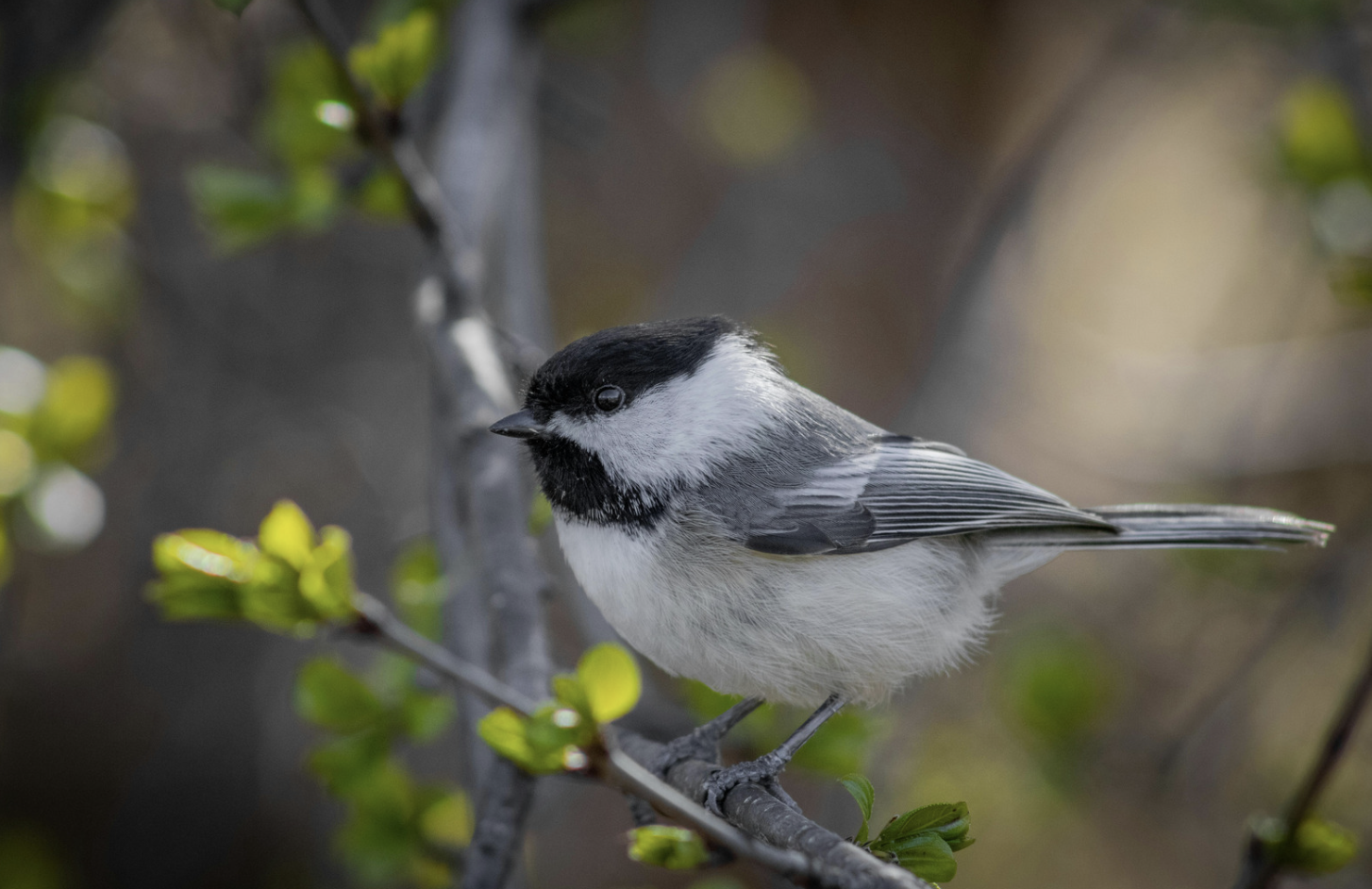
Chickadee
Tufted Titmouse
Downy Woodpecker
Hairy Woodpecker
Mourning Dove
Junco
House Sparrow
YEAR ROUND — LESS COMMON
Red-Breasted Nuthatch
Pileated Woodpecker
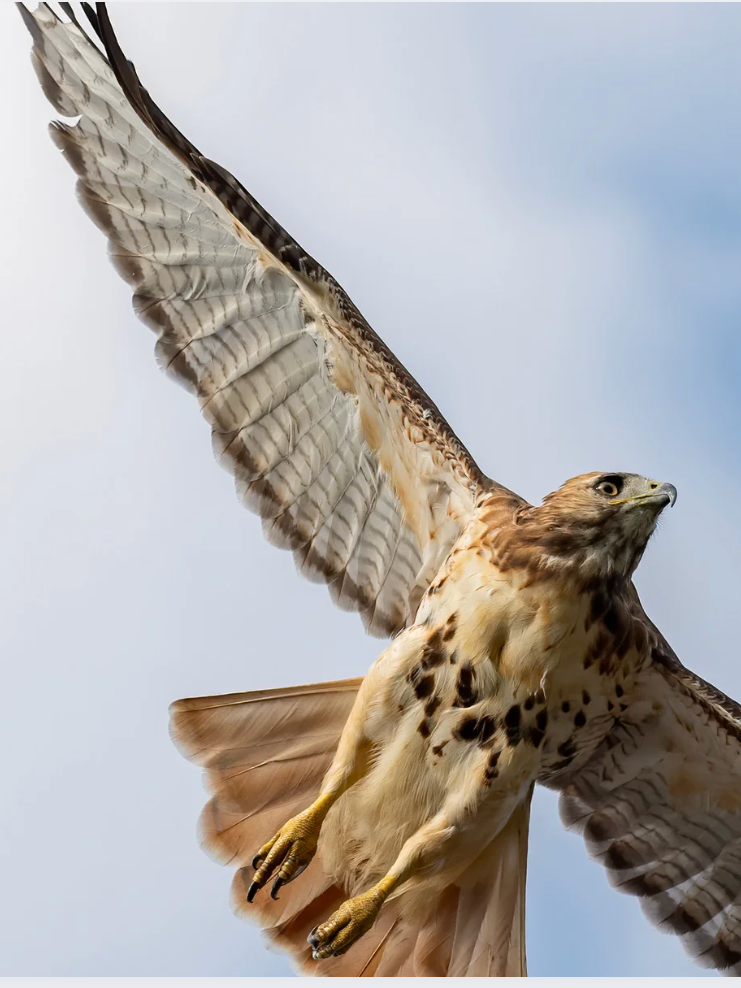
Red-Tailed Hawk
Sharp-Shinned Hawk
Bald Eagle
Cardinal
Turkey
Turkey Vulture
Brown Creeper
Purple Finch
Barred Owl
Spring & Summer Visitors
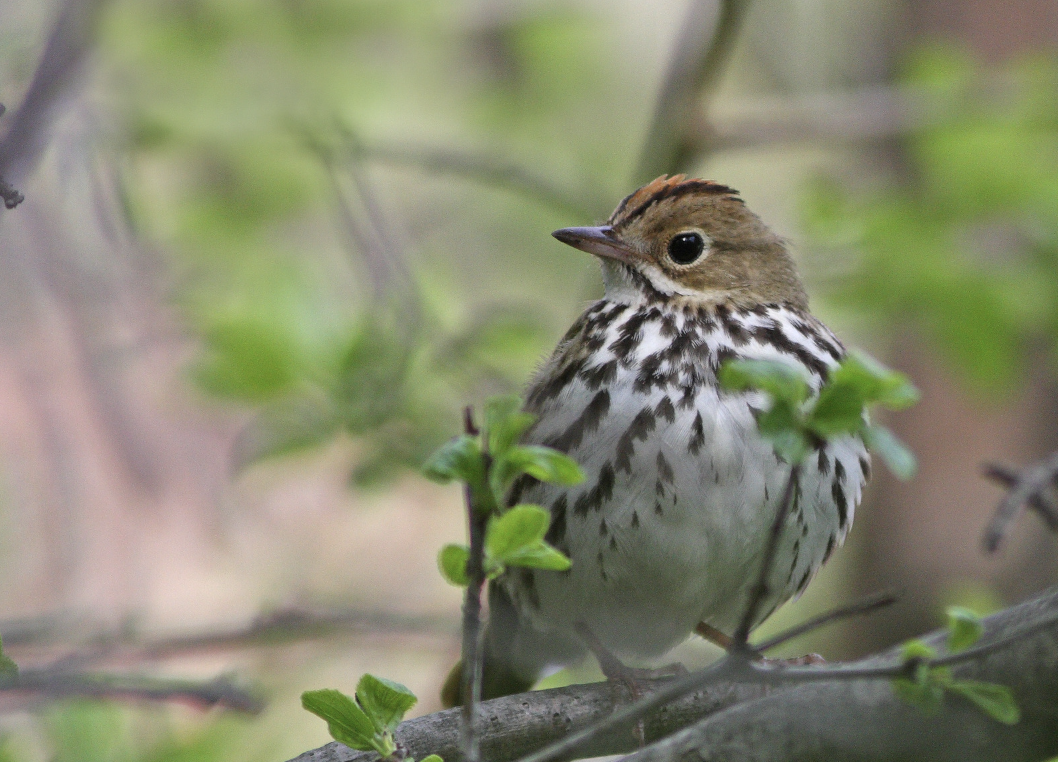
May brings an explosion of birdsong as migratory species return to breed.
SUMMER RESIDENTS
Yellow Rumped Warbler
Chestnut Sided Warbler
Magnolia (Warbler)
Redstart
Golden Crowned Kinglet
Red Wing Blackbird
Grackle
Eastern Meadowlark
Baltimore Oriole
Scarlet Tanager
FLY BYS
Kestrel
Osprey
Golden Eagle
Broad-Winged Hawk
Harrier Hawk
Red-Shoulder Hawk
Cormorant
Sandhill Crane
Great Blue Heron
Ring-Billed Gull
Fall Migration
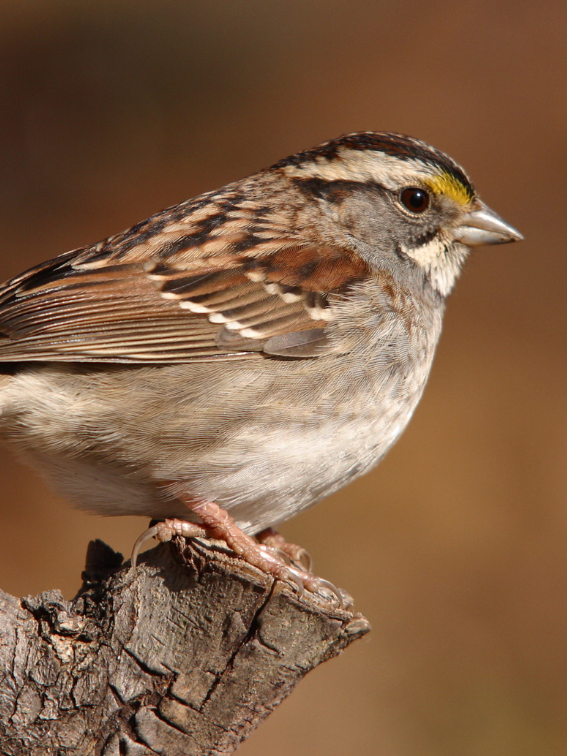
Autumn transforms May Woods into an excellent stopover for migrating songbirds.
Visitors may observe:
Yellow-rumped Warblers
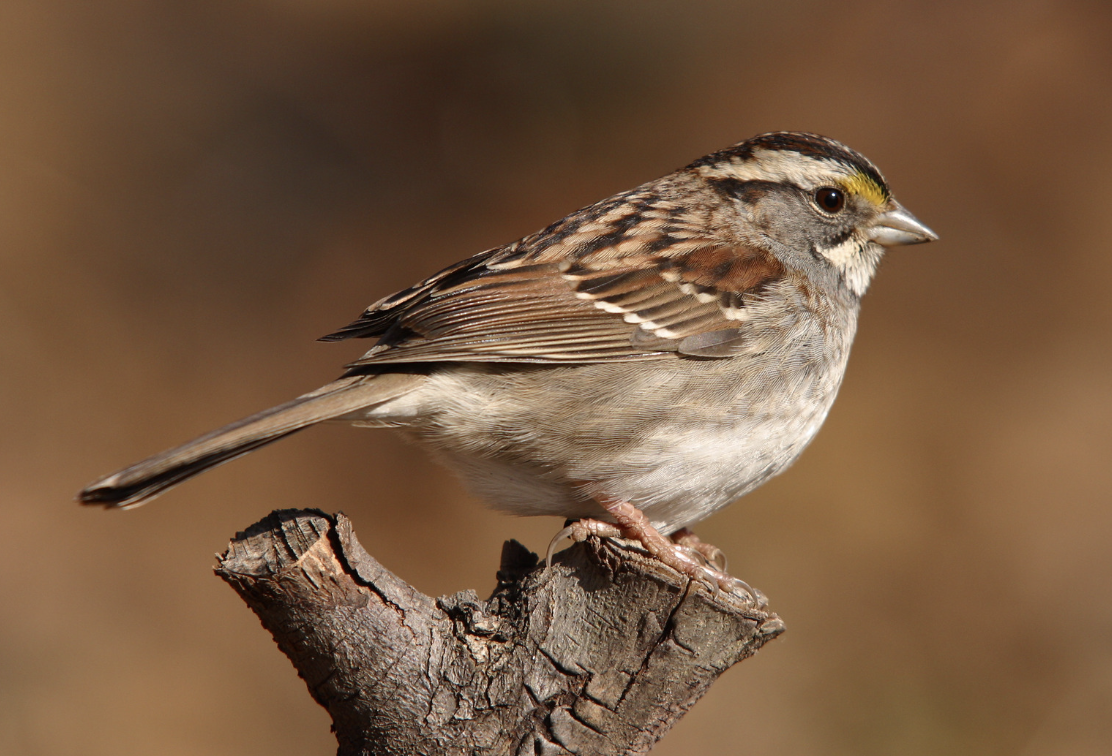
White-throated Sparrows
Dark-eyed Juncos
Kinglets
Cedar Waxwings
Rusty Blackbirds
Various hawk species moving south
Woodpeckers of May Woods
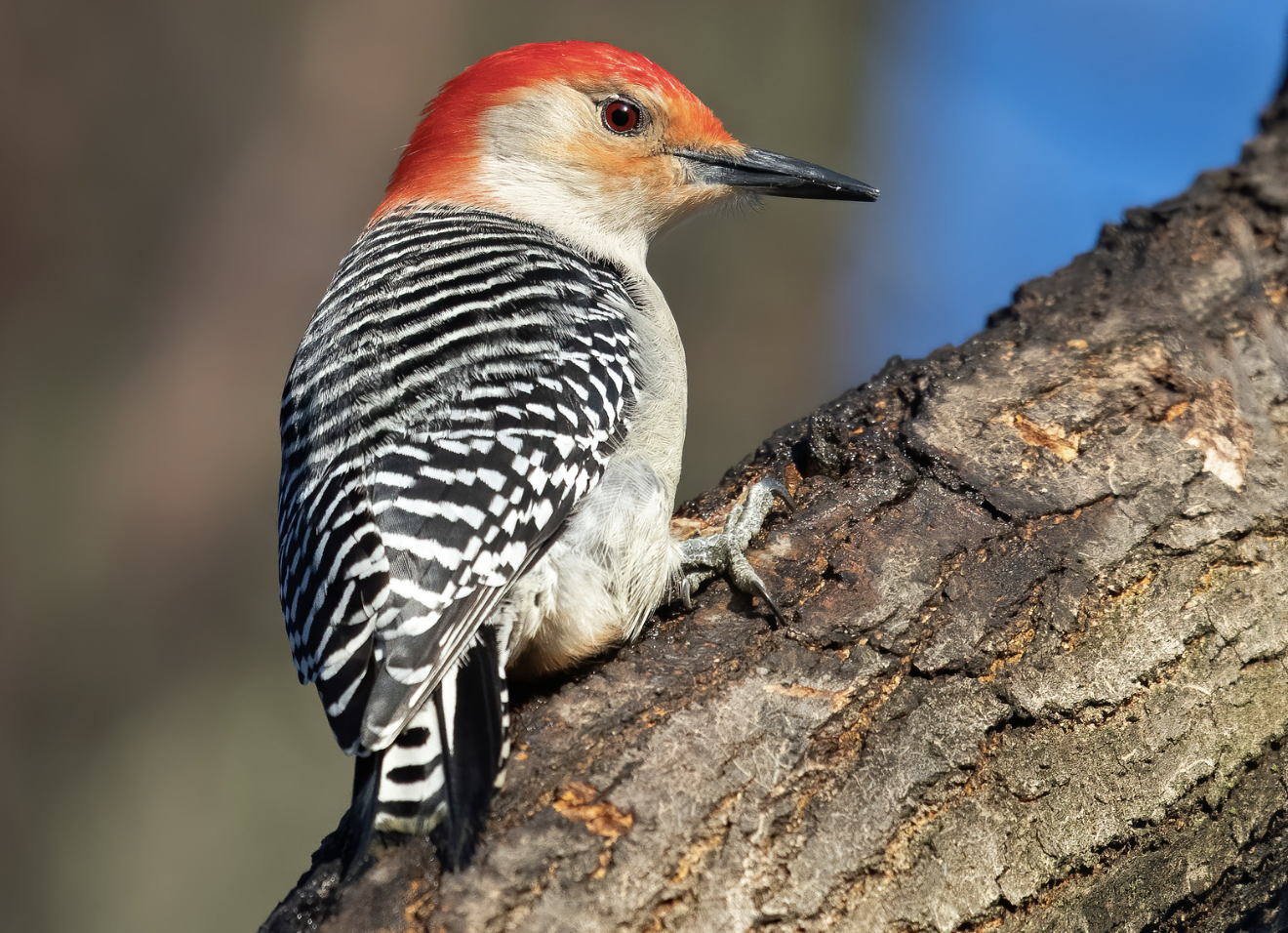
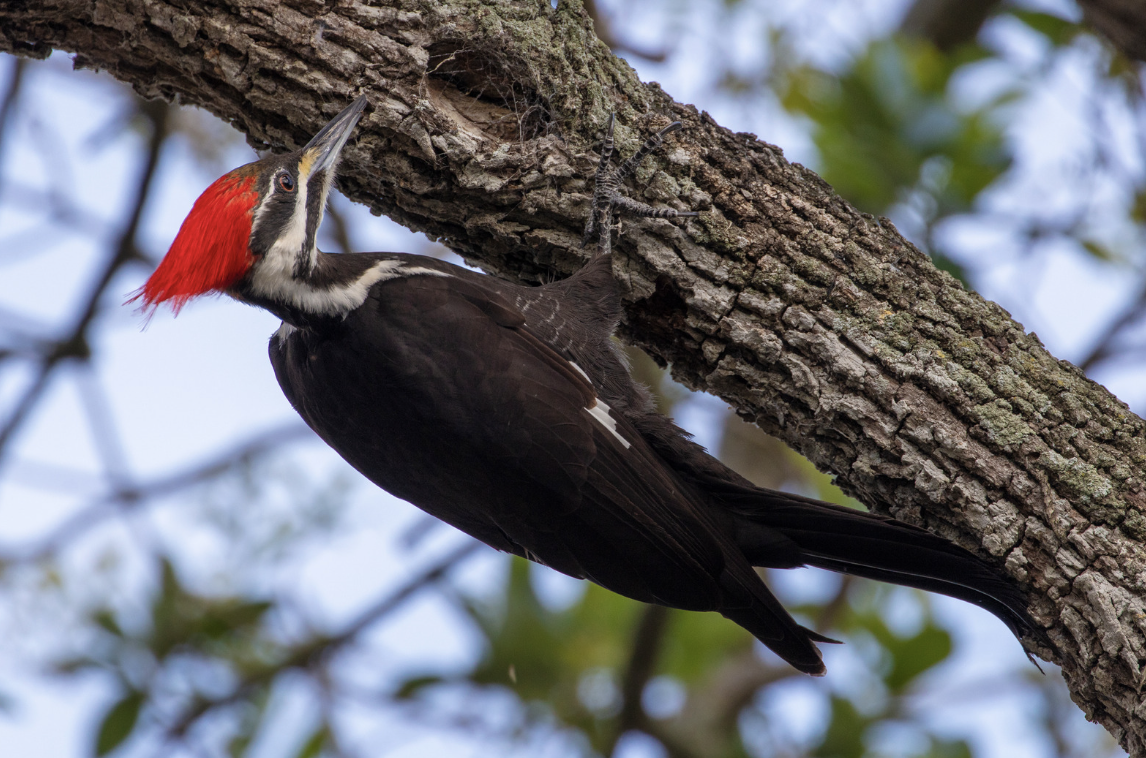
One of the highlights of birding in mature northern forests is the opportunity to encounter multiple woodpecker species.
Listen for the unmistakable drumming echoing through the trees or watch for fresh feeding holes in standing dead timber. The spectacular Pileated Woodpecker—North America's largest woodpecker after the Ivory-billed—can occasionally be seen gliding through the forest with its bright crimson crest flashing between the trees.
One of North America's Great Migration Bottlenecks
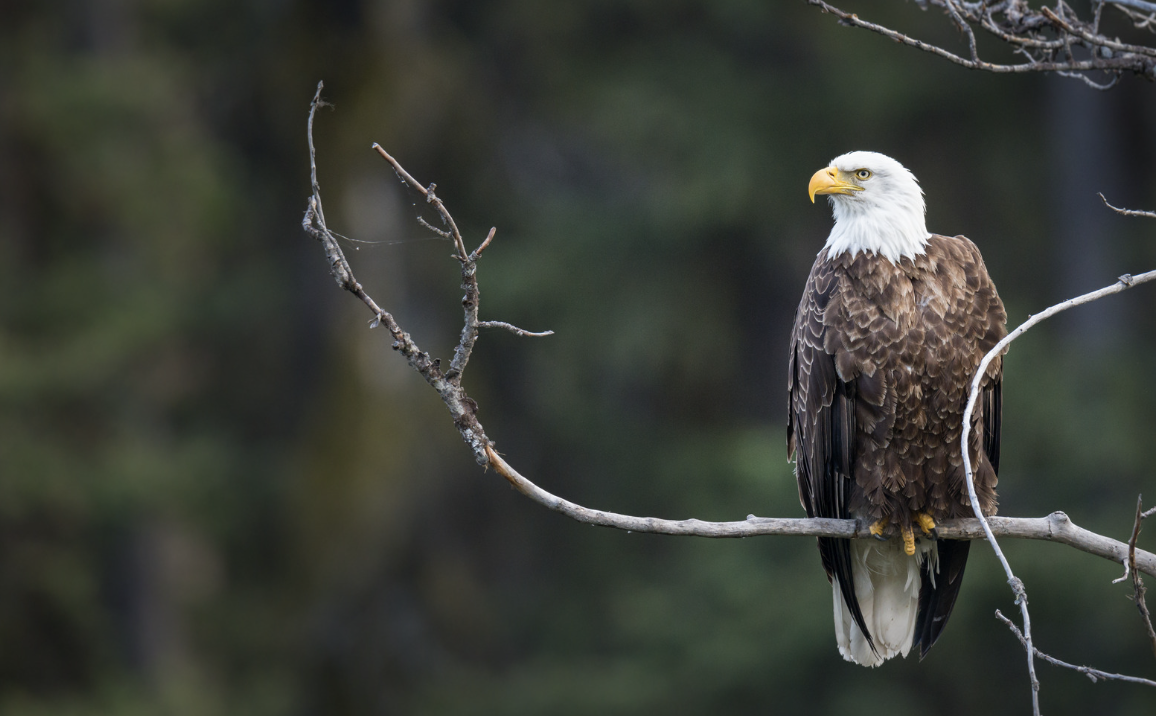
Every autumn, thousands of raptors funnel through the Straits of Mackinac as they migrate south. The geography of the Great Lakes naturally concentrates birds of prey into one of the most remarkable migration corridors in the Midwest.
While May Woods itself is primarily a forest birding destination, visitors hiking the trails during migration may observe soaring hawks overhead or hear the distinctive calls of migrating raptors as they travel along the shoreline forests.
Species regularly recorded in the region include:
Broad-winged Hawk
Sharp-shinned Hawk
Cooper's Hawk
Bald Eagle
Northern Harrier
Red-tailed Hawk
Merlin
Peregrine Falcon
Osprey
Turkey Vulture
For dedicated raptor enthusiasts, combine a hike through May Woods with a visit to the nearby Mackinac Raptor Watch during peak migration for an unforgettable day of birding.
Spotlight: The Mackinac Raptor Watch
The Straits of Mackinac are internationally recognized as one of the finest locations in the Great Lakes region for observing migrating birds of prey. Each fall, trained volunteers and ornithologists monitor thousands of migrating hawks, eagles, falcons, vultures, and other raptors passing through this natural bottleneck.
Peak migration generally occurs from late August through October, when favorable winds can produce spectacular flights of Broad-winged Hawks, Sharp-shinned Hawks, and Bald Eagles. Birders often combine visits to the Raptor Watch with hikes through nearby natural areas like May Woods, creating an exceptional opportunity to experience both woodland birds and soaring migrants in a single outing.
If you're visiting during migration season, check daily weather conditions and migration forecasts, some days may bring only a handful of birds, while others can produce hundreds or even thousands overhead.
Tips for Successful Bird Watching
Visit within the first three hours after sunrise for the greatest activity.
Walk slowly and pause often to listen.
Learn bird songs as well as visual field marks.
Bring binoculars (8×42 or 10×42 are excellent all-purpose choices).
Stay on designated trails to protect sensitive habitat.
Wear muted earth-tone clothing.
Download a bird identification app before your visit.
Keep a respectful distance from nests and wildlife.
Become a Citizen Scientist
Every bird observation contributes to a better understanding of Northern Michigan's wildlife. Visitors are encouraged to record their sightings using platforms such as eBird, helping researchers and conservationists track migration patterns and species distributions over time.
Your observations can help document the incredible biodiversity that makes May Woods such a special place to explore.
With Feathers
A Local Partner in Bird Rescue & Rehabilitation
Just down the road in Levering, With Feathers has spent years doing quiet, essential work: rescuing, rehabilitating, and releasing injured and orphaned birds back into the wild across northern Michigan.
As a volunteer-run, donation-funded 501(c)(3), every bird that comes through their door, from a fledgling that fell from its nest to an owl recovering from a wing injury, gets a second chance thanks to people who simply love birds enough to give up their time for them.
Some birds heal and fly home. Others, too injured to survive in the wild, stay on as lifelong residents and educational ambassadors, helping visitors understand just how much these species need our care.
With Feathers has been a partner to the Mackinaw Area Historical Society, and the birds you spot along the May Woods trails are part of the same wild community they work to protect every day.